
The release of the Gothic 1 Remake by Alkimia Interactive and THQ Nordic has been a defining moment for classic RPG fans this year. Arriving on June 5, 2026, this modern reimagining of the 2001 dark fantasy classic threw a whole new generation of players into a harsh, unforgiving penal colony encased by an impenetrable magical Barrier. Over a month into its release on PC, PlayStation 5, and Xbox Series X|S, the numbers and community reception are painting a picture of a massive success story. Not only has the game performed exceptionally well on Steam, but it has also managed to modernize a notoriously stubborn and hard-to-adapt formula without losing the unique, gritty identity of the original release.
A Major Commercial Milestone: 575,000 Steam Copies Sold in June
According to recent market estimates published for the month of June 2026, the Gothic 1 Remake has firmly established itself as one of the summer’s biggest hits. Data sourced from GameDiscoverCo, which has been widely discussed across global gaming subreddits and tracking sites, places the remake in the top tier of new Steam releases for the month. The estimates indicate that the game sold roughly 575,000 units on Steam alone within its launch month. Given the retail price of around $50, this translates to a theoretical gross revenue of approximately $28.7 million exclusively on the PC platform.
These figures are a massive win for the developers. It is important to note that these statistics solely represent the Steam ecosystem. When you factor in the console player base across the PlayStation 5 and Xbox Series X|S, the total number of prisoners currently mining ore and fighting off beasts in the Valley of Mines is undoubtedly much higher. We already knew the game was selling fast—as noted when the game previously hit the 500k sales mark shortly after launch—but seeing the sustained sales momentum throughout the entirety of June solidifies the remake as a mainstream commercial hit. This financial viability is a huge validation for THQ Nordic’s decision to entrust a relatively new studio with the task of reviving a franchise that has an incredibly protective fanbase.
180 Hours Later: A Veteran’s Perspective on the Remake
While sales figures keep publishers happy, for a cult classic like Gothic, community approval is the ultimate metric of success. The original 2001 game is heavily revered for its uncompromising difficulty, lack of hand-holding, and a living, breathing world where NPCs have strict daily routines. If you step out of line, they will punch you in the face and take your ore.
Recently, a hardcore fan shared their extensive feedback on the World of Gothic subreddit after logging a massive 180 hours of playtime, completing four full playthroughs across different factions. The player confessed that they were initially highly skeptical when the early playable teaser was released a few years ago. Modern open-world RPGs often fall into the trap of assuming that a larger map automatically equals a better game. This design philosophy frequently leads to massive maps filled with empty spaces, held together by mechanics that break immersion—like glowing quest markers, GPS-style mini-maps, and compasses that tell the player exactly where to go.
The original Gothic relied heavily on descriptive NPC dialogue. You had to listen to directions, read road signs, and actually navigate the terrain using your eyes. The community’s relief is widespread right now because Alkimia Interactive reportedly did not dilute this hardcore navigation style. Instead, they expanded the world thoughtfully, adding depth without holding the player’s hand.
The Revamped Exchange Zone and New Lore Additions
One of the most heavily scrutinized areas in the remake has been the starting location: the Exchange Zone, where the Nameless Hero is unceremoniously dropped through the magical Barrier alongside a shipment of goods. According to community reports and veteran feedback, this entire opening sector has been significantly expanded compared to the original map.
The physical distance between the initial drop point at the Exchange Zone and the Abandoned Mine is now much larger, offering more exploration, foraging, and combat opportunities right from the very start. Rather than feeling like empty padding, Alkimia has populated this expanded real estate with meaningful environmental storytelling. For example, players have discovered a new, small Sleeper shrine hidden within this early area. For lore enthusiasts, finding a shrine dedicated to the Sleeper this close to the Exchange Zone adds an eerie layer of foreshadowing. It hints at the pervasive and creeping influence of the Swamp Camp’s mysterious deity long before you ever set foot in their marshy, weed-smoke-filled domain. It’s these small, narrative-driven map additions that are making the three camps feel even more interconnected.
Diego’s Redesign and the Waterfall Camp
The expansion of the game world also brings fresh context to iconic characters. Diego, the very first friendly face the Nameless Hero meets and a crucial figure in the Old Camp’s hierarchy, has received some notable visual and environmental updates.
Community feedback has highlighted his updated “Robin Hood-esque” visual design. This rugged, stealthy look perfectly aligns with his background as a cunning Shadow and a skilled archer. Furthermore, players have noted that Diego now has his own small, dedicated camp located near a waterfall in the early sections of the game. Instead of just standing around waiting for the player to spawn, this localized camp gives him a more grounded presence in the world before he eventually guides you back to the Old Camp.
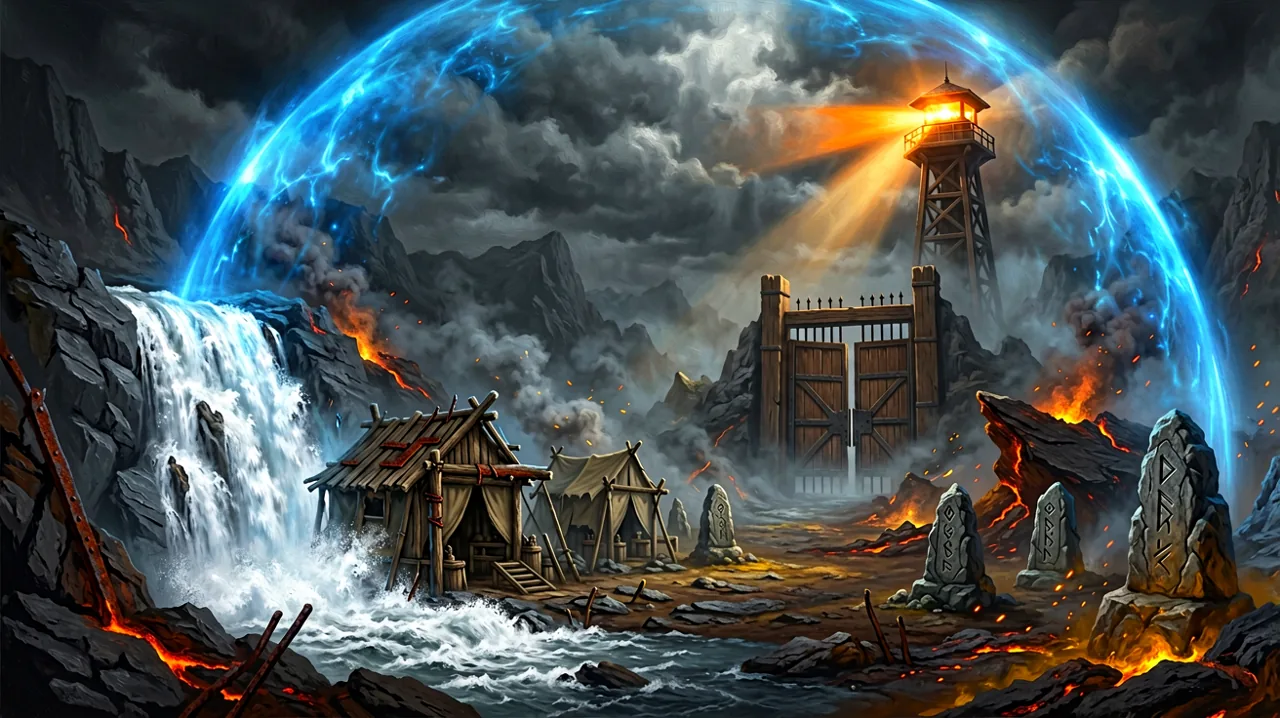
Beyond character-specific locations, the landscape itself features grand new landmarks that weren’t present in the 2001 release. The veteran player review noted the addition of a huge gate and a towering structure equipped with a light beacon used for communication. In a prison colony completely cut off from the outside world by an opaque magical dome, establishing lines of communication via light beacons makes complete logical sense. It adds a fresh layer of architectural realism to the Valley of Mines, showing that the factions have actually established infrastructure over the years.
Surviving the Early Game: From Exploring to Finding a Bed
Despite the gorgeous visual expansions and modern quality-of-life updates, the Gothic 1 Remake remains brutally unforgiving for newcomers. While franchise veterans with hundreds of hours are busy analyzing the architectural nuances of the new light beacons and Sleeper shrines, fresh players are just struggling to survive their first night.
The game’s uncompromising nature is highly evident in the types of resources players are searching for. Mainstream media outlets and gaming sites, such as VPEsports, are currently publishing dedicated guides simply on how to get a bed in the Old Camp. In almost any other modern RPG, resting is a trivial menu option or a free action in an inn. In Gothic, if you walk into the wrong hut in the Old Camp and lie down in a Digger’s or a Guard’s bed, the owner will violently throw you out, beat you to the ground, and rob you of your hard-earned ore.
Learning the unwritten rules of the camps is a rite of passage. Figuring out how to find an abandoned hut in the outer ring, earning your place to join the Old Camp, or just sleeping rough out by a campfire outside the gates are mandatory lessons. For those who manage to rise through the ranks, learning how to enter the Old Camp castle early becomes the next big hurdle to secure better gear and safer sleeping quarters. The stark contrast between appreciating the expanded, deep lore and desperately trying to find a safe place to heal up perfectly captures the essence of why this remake is succeeding. It refuses to compromise on what made the original special.
Conclusion
Alkimia Interactive has managed to pull off a near-impossible balancing act with the Gothic 1 Remake. By fiercely respecting the hardcore, marker-less navigation of the original while thoughtfully expanding the map, adding new lore-friendly landmarks, and updating character designs, they have delivered an experience that satisfies purists and attracts newcomers. With over 575,000 Steam players actively navigating the expanded Exchange Zone, discovering new Sleeper shrines, and reading beginner tips to learn the hard way not to steal a Shadow’s bed, the legacy of the Nameless Hero is alive and well. If these sales figures and positive community sentiments continue, the future of the Gothic franchise looks brighter than ever.