
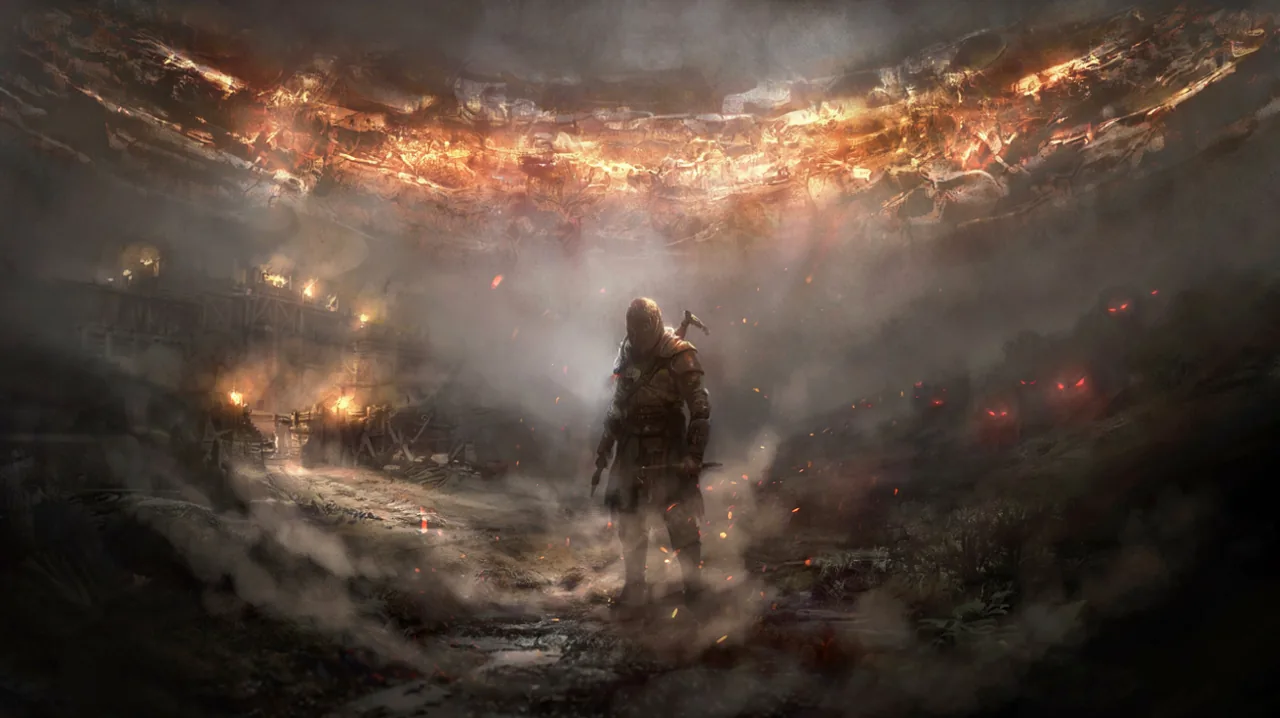
One of the very first decisions you will face after being thrown into the brutal penal colony of the Gothic 1 Remake is selecting your difficulty setting. With the game attracting both nostalgic veterans of the 2001 classic and newcomers drawn in by the Unreal Engine 5 visuals, the community has been fiercely debating the optimal way to experience Alkimia Interactive’s unforgiving masterpiece.
A common question echoing across forums is a simple yet vital one: Should I go Hard or settle for Gothic difficulty for my first run?
Unlike modern open-world ARPGs that gently guide you through a heavily scripted tutorial before unleashing you into a power fantasy, Gothic 1 Remake treats you with absolute contempt. Inside the glowing magical Barrier, you are not a prophesied savior; you are a convicted criminal starting at the absolute bottom of the food chain. The local wildlife will tear you to shreds, the guards will extort your hard-earned ore, and stepping off the beaten path almost guarantees a swift demise.
In this guide, we will break down the fundamental differences between the “Hard” and “Gothic” difficulty tiers, analyze the unique open-world design philosophy that dictates how you should play, and help you decide which setting will provide the most rewarding experience for your journey as the Nameless Hero.
The Philosophy of the Colony: Why Difficulty Matters
Before dissecting the specific difficulty settings, it is crucial to understand why the difficulty in Gothic 1 Remake feels so different from other contemporary RPGs.
Recently, players have been taking to community hubs to praise the game for reminding them what an open world can be when the goal isn’t simply to make the map as massive and bloated as possible. The game relies on an old-school design philosophy where the world is static, indifferent, and incredibly dense.
There is absolutely no dynamic level scaling in the colony. The strength of the enemies is fixed from the moment you start a new game. Your power is not granted at the beginning, nor are the enemies magically adjusted down to match your starter rags. Instead, you are forced to adjust yourself.
If you wander into the woods outside the Old Camp and spot a Shadowbeast or a pack of Orcs, the game fully expects you to realize you are hopelessly outmatched, turn around, and change your route. This palpable sense of danger dictates how you explore. It makes the act of leveling up and spending your Learning Points feel incredibly impactful, because you can eventually return to those exact same woods and exact your revenge.
Furthermore, the game is intentionally cryptic. It does not bombard your HUD with giant neon markers pointing to every point of interest or quest objective. You are dropped into a political powder keg divided between the Old Camp, the New Camp, and the Swamp Camp, and you are expected to figure it out. Because fast travel is severely limited for a massive chunk of the game, you are highly encouraged to actually learn the geography of the island.
This brings us back to the difficulty selection. The setting you choose dictates the margin of error you have while trying to survive this beautifully hostile ecosystem.
Gothic Difficulty: The Intended Classic Experience
If this is your very first time playing Gothic 1 Remake, Gothic difficulty is the most universally recommended starting point.
Do not let the absence of the word “Hard” fool you. Gothic difficulty is not a walk in the park; it is explicitly designed to replicate the punishing, highly lethal experience of the original 2001 release, balancing old-school brutality with the modernized combat mechanics.
In Gothic difficulty:
- Lethality is High: Two or three bites from a lowly Scavenger or a Wolf in the first chapter are enough to send you to the loading screen. You cannot face-tank damage; you must learn to block, dodge, and time your strikes.
- Fair Economy: While managing your ore is still tough early on, the trading system offers a fair exchange rate. If you explore diligently, loot everything, and complete quests, you will have enough currency to buy essential armor and weapons from merchants like Fisk or Cavalorn.
- Build Flexibility: You have a reasonable amount of breathing room when assigning Learning Points. While you shouldn’t spread your stats entirely thin, you can afford a minor mistake or two without completely ruining your character’s viability in the mid-game.
- Pack Mentality: Enemies behave intelligently but fairly. If you manage to pull one enemy away from a pack using a bow or a carefully placed magic scroll, you can often isolate them.
Gothic difficulty provides the perfect friction. It guarantees that you will feel the immense satisfaction of progressing from a weak prisoner who runs from everything, into a heavily armored powerhouse slinging Rune Magic or wielding massive two-handed swords. It respects the original game’s vision while keeping frustration levels manageable for modern sensibilities.
Hard Mode: The Ultimate Test of Survival
Hard mode is exactly what it says on the tin, but in the context of a game that is already notoriously difficult, it borders on masochistic. This mode is generally recommended for veterans who know the original game inside out, or players who have already completed the remake and want to min-max a second playthrough.
Here is what you can expect if you stubbornly choose Hard mode for your first run:
- Brutal Combat Scaling: Enemies hit significantly harder and have larger health pools. Early encounters that take three swings on Gothic difficulty might require six or seven perfectly timed strikes on Hard. One missed parry against a Bloodfly or a Minecrawler usually results in instant death.
- Punishing Economy: Traders are stingier, and the buying/selling margins are severely skewed against you. You will struggle to afford decent armor in Chapter 1, meaning you will be relying on miner’s trousers and rusty swords for much longer than you’d like.
- Zero Build Forgiveness: Every single Learning Point matters. If you try to build a hybrid character (e.g., splitting points between Strength and Magic early on), you will hit a massive damage wall in Chapter 2 and Chapter 3. To survive, you must commit to a hyper-optimized build from the start, which requires meta-knowledge of the game’s weapons and trainers. (For those attempting this, we highly recommend consulting our Ultimate Dexterity Build Guide).
- Aggressive AI: Enemy aggro ranges feel slightly more sensitive, making it harder to pick off targets one by one. You will frequently find yourself ambushed if your positioning isn’t flawless.
Starting on Hard mode means you will spend your first 10 hours reloading saves constantly. While overcoming it is a badge of honor, it runs the risk of making the early game feel tedious rather than organically challenging. If you do not know exactly where to find the best early game weapons or which quests yield the easiest non-combat XP, Hard mode can easily softlock your progress by draining your resources.
Shifting Your Mindset for the Colony
Whichever difficulty you choose, surviving the early hours of Gothic 1 Remake requires unlearning the habits taught by other modern games. Here are a few vital tips to help you thrive:
1. Running Away is a Core Mechanic There is no shame in retreating. If an NPC warns you that the woods are dangerous, they are not setting up an epic hero moment for you—they are stating a literal fact. When you hear the snarl of a Snapper or see the heavy silhouette of a Golem, sheath your weapon and sprint in the opposite direction. Mark the location in your mind and return when you have better gear.
2. Listen to Directions Carefully Because the game refuses to clutter your screen with HUD elements and mini-map paths, you must pay attention to dialogue. When a character tells you the New Camp is “past the river and up the rocky path,” that is exactly what you need to look for. Check your journal frequently, and learn the map by recognizing landmarks, bridges, and unique rock formations.
3. Save Early, Save Often The colony is wildly unpredictable. You might successfully navigate a treacherous mountain pass only to be instantly killed by a rogue bandit or a misjudged jump. Utilize multiple save slots. Do not rely solely on autosaves, especially before entering a cave or attempting to steal from an Ore Baron’s chest.
4. Exploit the Factions You are weak, but the guards in the camps are not. If you are being chased by a pack of wolves, run directly toward the nearest camp gate. The guards will dispatch the beasts, saving your life. While you won’t get the kill XP, you will survive, and you can still loot the animal trophies once the dust settles.
The Verdict
For 90% of players embarking on their first journey into the Valley of Mines, Gothic difficulty is the definitive choice. It perfectly captures the essence of the 2001 classic—offering a steep, rewarding learning curve without crossing the line into artificial punishment. It forces you to respect the dense, hand-crafted open world, carefully manage your progression, and earn every single victory.
Leave Hard mode for your second playthrough, when you know the map by heart, understand the intricate politics of the three camps, and are ready to push the game’s mechanics to their absolute breaking point.
Welcome to the Colony. Try not to end up as Scavenger food.